
The Disconnect Between Head Office and the Floor in Hospitality
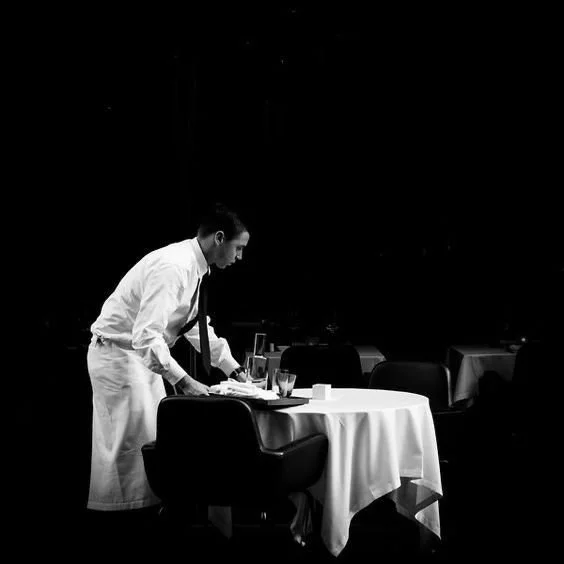
Hospitality is one of the few industries where the product isn’t just food or drinks it’s people. Service happens in real time, face to face, with human emotions, expectations, and constant pressure.
Yet in many hospitality groups today, there is a growing disconnect between head office and the teams working on the floor.
Decisions are often made far away from the reality of service. Spreadsheets, KPIs, and operational frameworks are designed in boardrooms without always reflecting what actually happens during a Friday night rush or a fully booked Saturday service.
The people writing the rules are not always the ones executing them.
Front-of-house teams deal with the unpredictable nature of hospitality every day: difficult guests, understaffed shifts, operational issues, equipment failures, last-minute bookings, and the emotional labour of maintaining composure while delivering excellent service.
But when policies and expectations are created without input from the people experiencing those realities, friction appears.
Schedules become unrealistic.
Operational procedures become impractical.
Targets become detached from service quality.
Another common experience for floor teams is the brief visit from head office.
Someone from leadership walks through the venue for five minutes, points out a list of things that aren’t right, and leaves.
The problem is rarely the feedback itself. Good operators always want to improve.
The issue is the lack of context.
Maybe the team is short two staff members that night.
Maybe the bar printer has been malfunctioning for three days.
Maybe the venue has just pushed through a 200-cover service.
Without understanding the circumstances behind what is happening in the moment, quick observations can easily turn into criticism that feels disconnected from reality.
Over time, this dynamic creates frustration. Teams start feeling like the people evaluating the operation don’t actually understand the operation.
The irony is that the people closest to the guest experience often have the most valuable insights.
They see what works.
They know what slows service.
They understand what guests actually respond to.
When those perspectives are ignored, businesses risk creating systems that look efficient on paper but struggle in practice.
The best hospitality companies understand this.
They build real feedback loops between the floor and head office.
They spend time in service, not just observing it.
They listen to supervisors, bartenders, waitstaff, and chefs before making operational decisions.
Because hospitality does not live in spreadsheets it lives in the interaction between a guest and the person serving them.
And if leadership only understands hospitality from reports and brief walk-throughs, they may be managing venues but they are no longer truly understanding them.
